Roaming.Camp
Nevada field guide hero

FIELD GUIDE · CHAPTER 28 · REGION IEST. 2026

Nevada

The Silver State

NV · 39°20′ N · 116°38′ W · 260 SITES SURVEYED

WHEELER PEAK CAMPGROUND · PLATE A-281

§ 01 — Opening Plate

A letter from the field

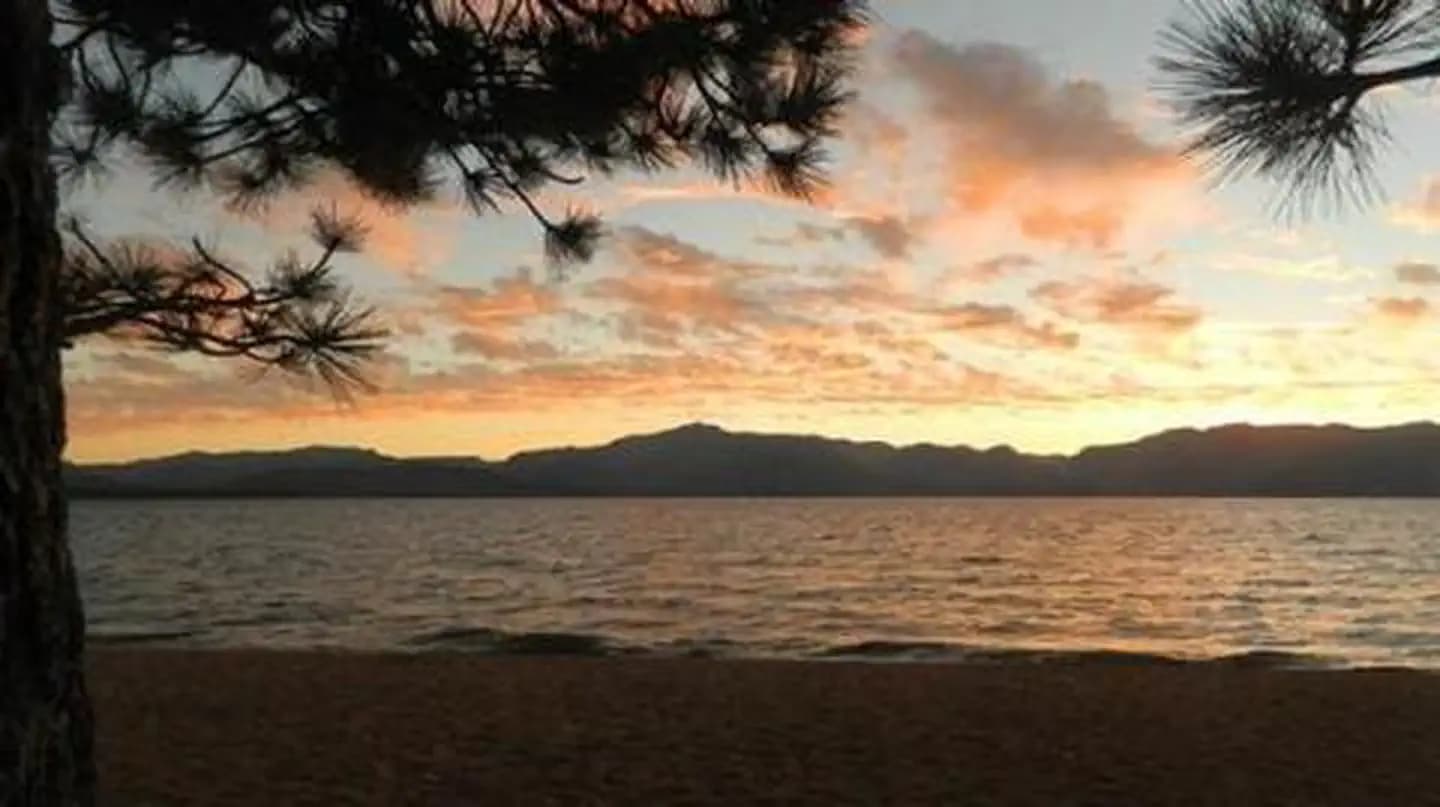
Nevada is 87 percent federal land — the highest share of any state in the Lower 48 — and 80 percent sagebrush steppe and basin-and-range desert, the driest landscape in the United States. Great Basin National Park east of Ely holds 5,000-year-old bristlecone pines on the Wheeler Peak rock glacier, among the oldest non-clonal living things on Earth. Lake Mead, when full, is the largest reservoir in the United States by volume — and Hoover Dam still anchors its southwest shore. The Ruby Mountains rise to 11,387 feet east of Elko, the alpine surprise of the Great Basin, with the Ruby Crest Trail traversing 35 miles of cirque lakes. Mount Charleston at 11,918 feet is the alpine escape an hour from Las Vegas. Lake Tahoe's east shore, half-Nevada, holds the clearest water of any lake its size in North America. The state has 314 named mountain ranges, more than any other, separated by sagebrush valleys that go on for sixty miles between summits.

§ 02 — The Plates

Top 10 sites, filed

No. 01PLATE A-281 · LEAD

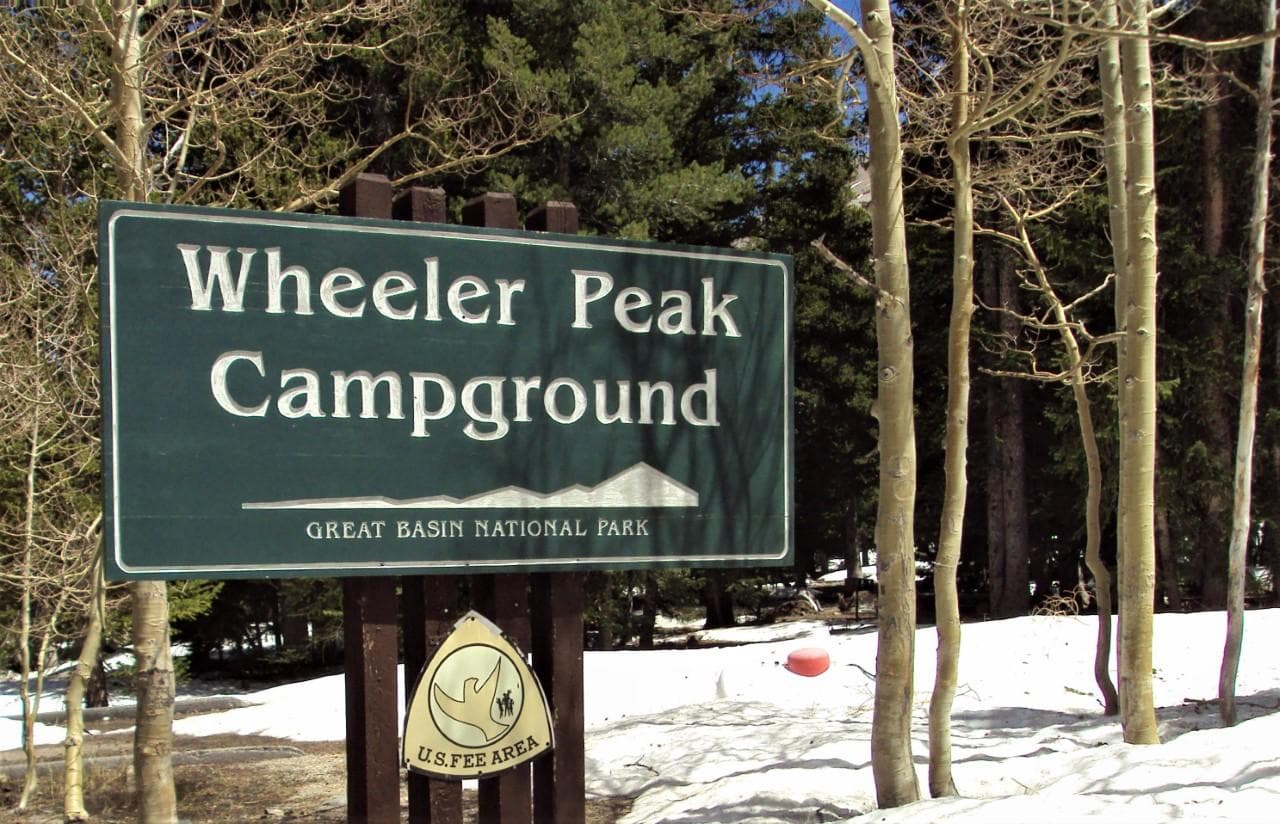
Wheeler Peak Campground

Wheeler Peak Campground
PLATE A-281 · NPS UNIT · NV

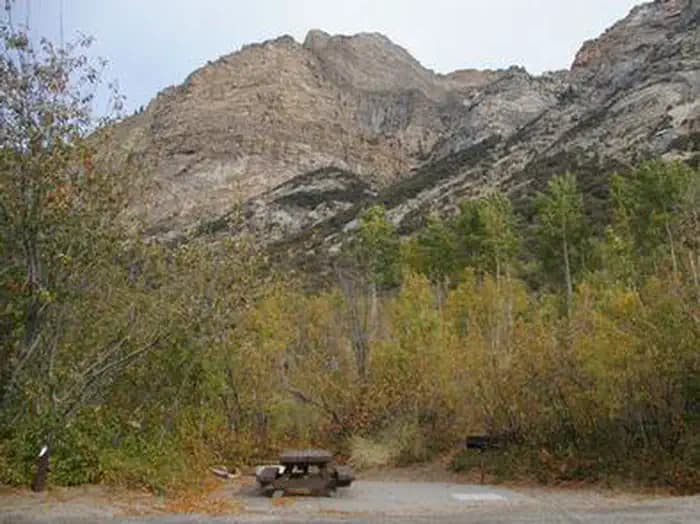
Great Basin National Park's highest campground sits at 9,950 feet on the north slope of 13,065-foot Wheeler Peak — the second-highest peak in Nevada and the highest road-accessible campground in the Great Basin. Thirty-seven sites among Engelmann spruce and subalpine fir. The Bristlecone-Glacier Trail (4.6 mi RT) leaves from camp and climbs to the Wheeler Peak rock glacier and the 5,000-year-old bristlecone pine grove — the oldest non-clonal living trees on Earth. First-come, first-served late May through late October depending on snow. International Dark Sky designation means the Milky Way is unmistakable overhead.

NPSRead the plate →
Upper Lehman Creek Campground
No. 02PLATE A-282

Upper Lehman Creek Campground

Great Basin National Park's mid-elevation campground at 7,752 feet along Lehman Creek — twenty-two sites tucked into ponderosa pine and white fir on a fast-running mountain creek. The Lehman Creek Trail connects all four park campgrounds (Lower Lehman, Upper Lehman, Wheeler Peak) via 6.8 miles of climbing creek-side path. Reservations on Recreation.gov mid-May through late September; first-come the rest of the year. Lehman Caves are eight miles down the road from the visitor center, with daily guided tours by reservation.

Thomas Canyon Campground
No. 03PLATE A-283

Thomas Canyon Campground

Humboldt-Toiyabe National Forest's Lamoille Canyon flagship sits at 7,300 feet in the Ruby Mountains — the alpine range that catches more snow than anywhere else in the Great Basin. Forty sites under quaking aspen along Thomas Canyon Creek, with a 4-mile spur trail climbing to Lamoille Lake (9,742 ft) and the Ruby Crest Trail. Lamoille Canyon Road (NF-660) is twelve miles of paved switchbacks from Lamoille and gains 3,300 feet — closed in winter. Reservable on Recreation.gov mid-May through mid-October; black bears in the canyon.

Boulder Beach Campground
No. 04PLATE A-284

Boulder Beach Campground

Lake Mead National Recreation Area's main campground sits at 1,200 feet on the southwest shore of Lake Mead — when full, the largest reservoir by volume in the United States. One hundred fifty-four sites spread across desert flats above the swim beach, with limited shade (creosote and palo verde, not trees) and a dump station on site. The lake's bathtub ring marks 175 feet of drawdown since the 2000-era high — still a hard reality of southwest hydrology. Hoover Dam sits seven miles south. Reservable on Recreation.gov; open year-round but brutal in July and August (110°F-plus).

§ 03 — Field Data

The working page

§ 03A

Best Time

WindowJun–Aug
Peak — SummerJun–Aug
SpringMar–May
SummerJun–Aug
FallSep–Nov
WinterDec–Feb

Great Basin and the Ruby Mountains open and peak. Wheeler Peak Campground is the highest road-accessible camp in the state at 9,950 feet — fifteen degrees cooler than the basins below, with wildflower meadows in late July. The Ruby Crest Trail dries out by late June. Mount Charleston is the high-elevation Vegas escape — Kyle Canyon at 7,000 feet runs in the 70s while Vegas hits 110. Lake Mead summers are brutal (110°F-plus) — most travelers cluster around the swim beach at dawn and dusk. Wildfire smoke from California fires routinely hazes northern Nevada from July through October. Reservations for Thomas Canyon, Nevada Beach, and Great Basin's reservable sites fill on six-month windows.

§ 03B

Reservations

BookingRecreation.gov
Window opens6 months out
First-come sitesMixed · arrive early
Cancellation48 hr · per facility
Peak weekendsBook on release
§ 03C

Permits & Signal

BackcountryPermit required
DispersedUSFS · BLM · 14 days
Fire restrictionsSeasonal · check ranger
Signal · VerizonFair
Signal · AT&TFair
Signal · T-MobilePoor
§ 03D

Camping Etiquette

Quiet hours10 PM – 6 AM
PetsLeashed · 6 ft
Pack-outAll waste
Food storageBear box / hang
Stay limit14 days · 30 day window

Yes, across virtually all of Nevada's BLM and USFS land — the highest share of dispersed-camping-friendly public land in the Lower 48. BLM allows up to 14 days in a 28-day window in any single area.…

§ 04 — Almanac

Four seasons, four readings

Spring

Mar–May

Lake Mead and the Mojave Desert hit their best window — March and April put the southern reservoirs in the 70s and 80s, the wildflower bloom across the Mojave is at peak, and the campgrounds aren't yet stifling. Great Basin and the Ruby Mountains stay snowbound; Wheeler Peak Campground typically doesn't open until late May or early June, and Lamoille Canyon Road to Thomas Canyon stays gated into May. Mount Charleston above 7,000 feet keeps snow through April. The Black Rock Desert dries out from playa mud and reopens to vehicles in April; Pyramid Lake's spring cutthroat fishery peaks now. Wind is the seasonal hazard — 30-50 mph afternoon gusts across the open basins are routine.

Summer

Jun–Aug

Great Basin and the Ruby Mountains open and peak. Wheeler Peak Campground is the highest road-accessible camp in the state at 9,950 feet — fifteen degrees cooler than the basins below, with wildflower meadows in late July. The Ruby Crest Trail dries out by late June. Mount Charleston is the high-elevation Vegas escape — Kyle Canyon at 7,000 feet runs in the 70s while Vegas hits 110. Lake Mead summers are brutal (110°F-plus) — most travelers cluster around the swim beach at dawn and dusk. Wildfire smoke from California fires routinely hazes northern Nevada from July through October. Reservations for Thomas Canyon, Nevada Beach, and Great Basin's reservable sites fill on six-month windows.

Fall

Sep–Nov

Arguably the best month-and-a-half of the year — the aspens turn gold across Lamoille Canyon, Baker Creek, and the East Humboldts in the last week of September through mid-October, and the temperature curve drops back into the comfortable range basin-wide. Great Basin's Astronomy Festival runs the third weekend of September. Wheeler Peak Campground closes by late October; Lamoille Canyon and Angel Lake roads gate with the first heavy snow, typically mid-November. Lake Mead and Lake Mohave return to perfect 70s-and-80s weather. Mount Charleston's aspens turn gold a week behind the Ruby Mountains.

Winter

Dec–Feb

Lake Mead, Lake Mohave, and the Mojave campgrounds run year-round and hit their best off-season — 60s during the day, low 40s at night, no crowds, and the bighorn sheep come down to the canyon walls. Great Basin closes the Wheeler Peak Scenic Drive above the lower campground in winter; Lower Lehman Creek stays open year-round. Mount Charleston turns into a ski destination (Lee Canyon resort) and the road from Vegas climbs into snow within an hour. Lake Tahoe's east shore at Nevada Beach is closed seasonally. Northern Nevada (Elko, Wells) gets serious cold — minus-20s in January are common.

§ 05A — Activity File

Best for Hiking & Backpacking

Nevada's hiking is built on the Great Basin's range-and-basin geography — 314 mountain ranges separated by sagebrush valleys — with the marquee objectives in the Snake Range (Wheeler Peak, Mount Moriah), the Ruby Mountains east of Elko, and the East Humboldts. These four campgrounds anchor the alpine half.

§ 05B — Activity File

Best for RV Camping

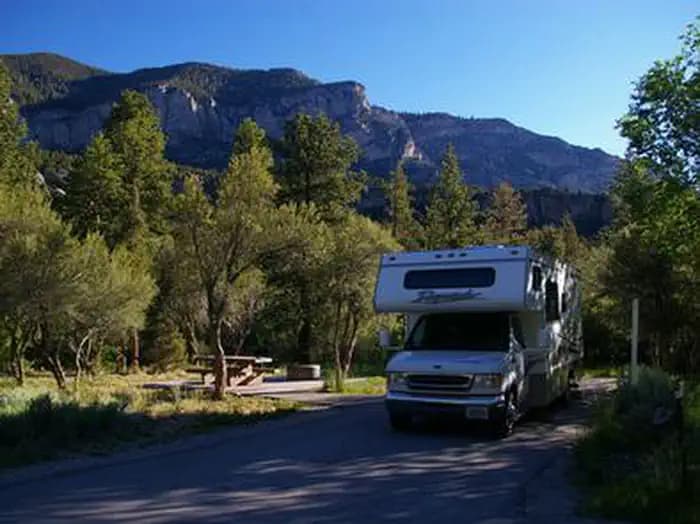
Nevada's RV options center on Lake Mead National Recreation Area — paved NPS loops at four lakes with dump stations and reservoir access — and the Spring Mountains NRA west of Vegas. Year-round Lake Mead access at 110°F summers and mild winters is the standout draw.

§ 05C — Activity File

Best for Lake & Reservoir Camping

Nevada's lake camping splits between the desert reservoirs of the Lake Mead system (the largest US reservoir by volume when full, three connected lakes covering 290 miles of shoreline) and the alpine clarity of Lake Tahoe's east shore. These four campgrounds cover both ends.

§ 05D — Activity File

Best for Dark Skies & Bristlecone Country

Great Basin National Park holds International Dark Sky designation and one of the darkest measured night skies in the continental United States — Bortle 2 across most of the park, with the Milky Way casting visible shadows on moonless nights. The bristlecone pine groves on Wheeler Peak hold the oldest non-clonal living things on Earth.

§ 07 — Q & A

Frequently asked

It depends on the region. The Lake Mead and Mojave Desert campgrounds (Boulder Beach, Echo Bay, Cottonwood Cove, Valley of Fire) are at their best October through April — summer pushes past 110°F and campgrounds bake. Great Basin and the Ruby Mountains run mid-June through September, with wildflower peak in late July and aspen color in late September. Mount Charleston is a year-round escape from Vegas — alpine camping in summer, snow play and skiing in winter. Lake Tahoe's Nevada side peaks July and August. The shoulder months of May and October work for most of the state.

§ 08 — Adjacent Sheets

Nearby chapters

END OF CHAPTER · NEVADA · § REGION I

CHAPTER 28 · FILED MAY 2026 · ROAMING.CAMP FIELD GUIDE · EDITION 2026