Overview
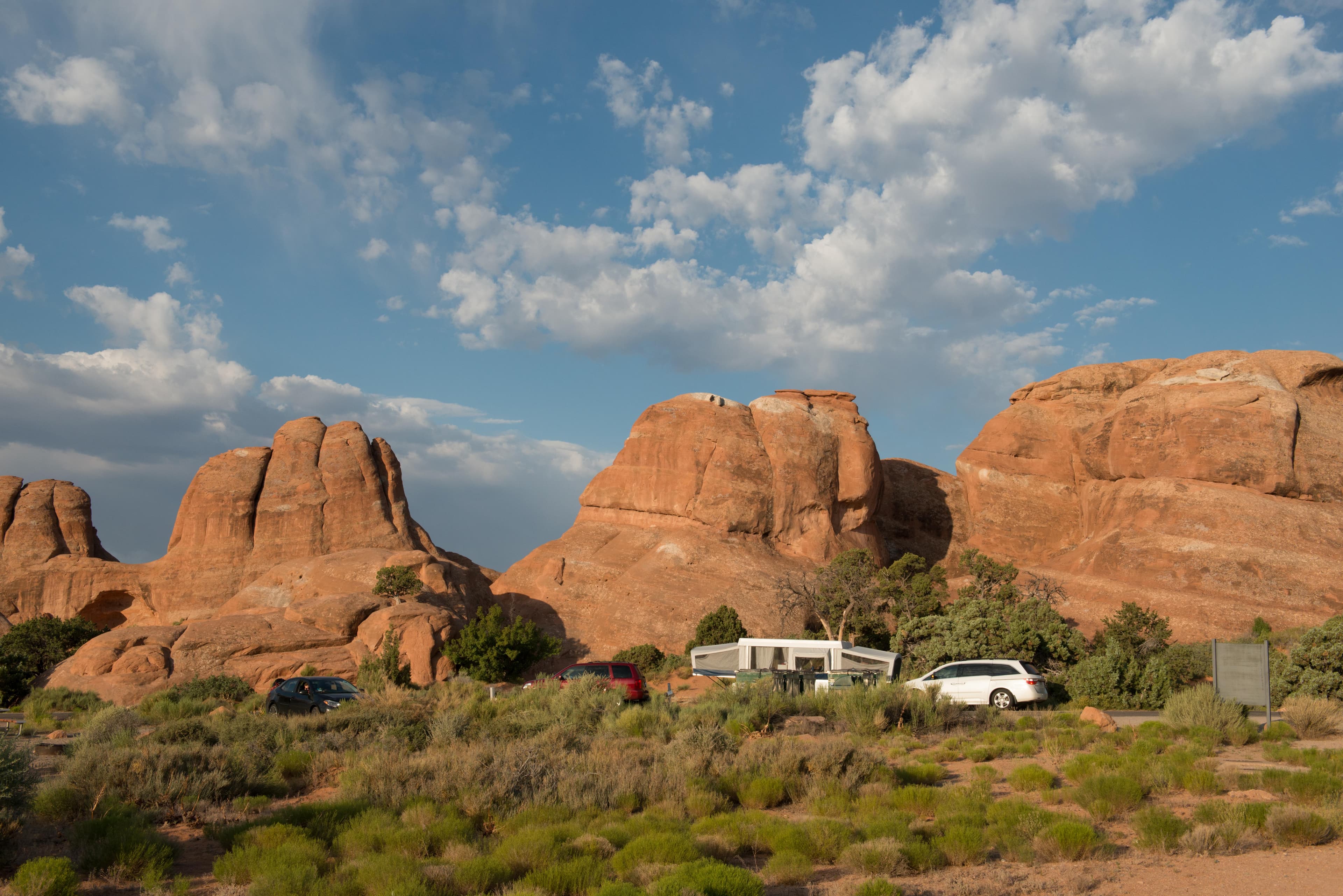
Utah hosts five national parks in a red-rock belt south of I-70, and no other state packs that density of sandstone into a single weekend-length drive. Zion's 2,000-foot Navajo walls in the southwest, Bryce Canyon's hoodoo amphitheaters above 8,000 feet, Capitol Reef's Waterpocket Fold, Arches' 2,000 cataloged natural arches, and Canyonlands' three roadless districts together define the American canyon country. North of the Mighty Five, the Uinta Mountains rise to 13,528 feet at Kings Peak and form the only major east-west range in the Lower 48, with cold alpine lakes and the Mirror Lake Scenic Byway crossing at 10,700 feet. The Wasatch Front above Salt Lake City adds granite canyons and 500 inches of annual snowfall, and Glen Canyon National Recreation Area pools the Colorado River into Lake Powell along the Arizona border. Utah's range — from slickrock desert to alpine tundra in a two-hour drive — is unmatched in the contiguous United States.
Last updated April 22, 2026
Top 10 Sites
Best for Hiking & Canyoneering
Utah's hiking is defined by slickrock, slot canyons, and some of the most exposed trail in the national park system. The Mighty Five each offer their own signature hikes — Angels Landing, the Narrows, the Navajo Loop, Delicate Arch, the Chesler Park Loop — and these campgrounds put you at the trailheads.
1. Watchman Campground
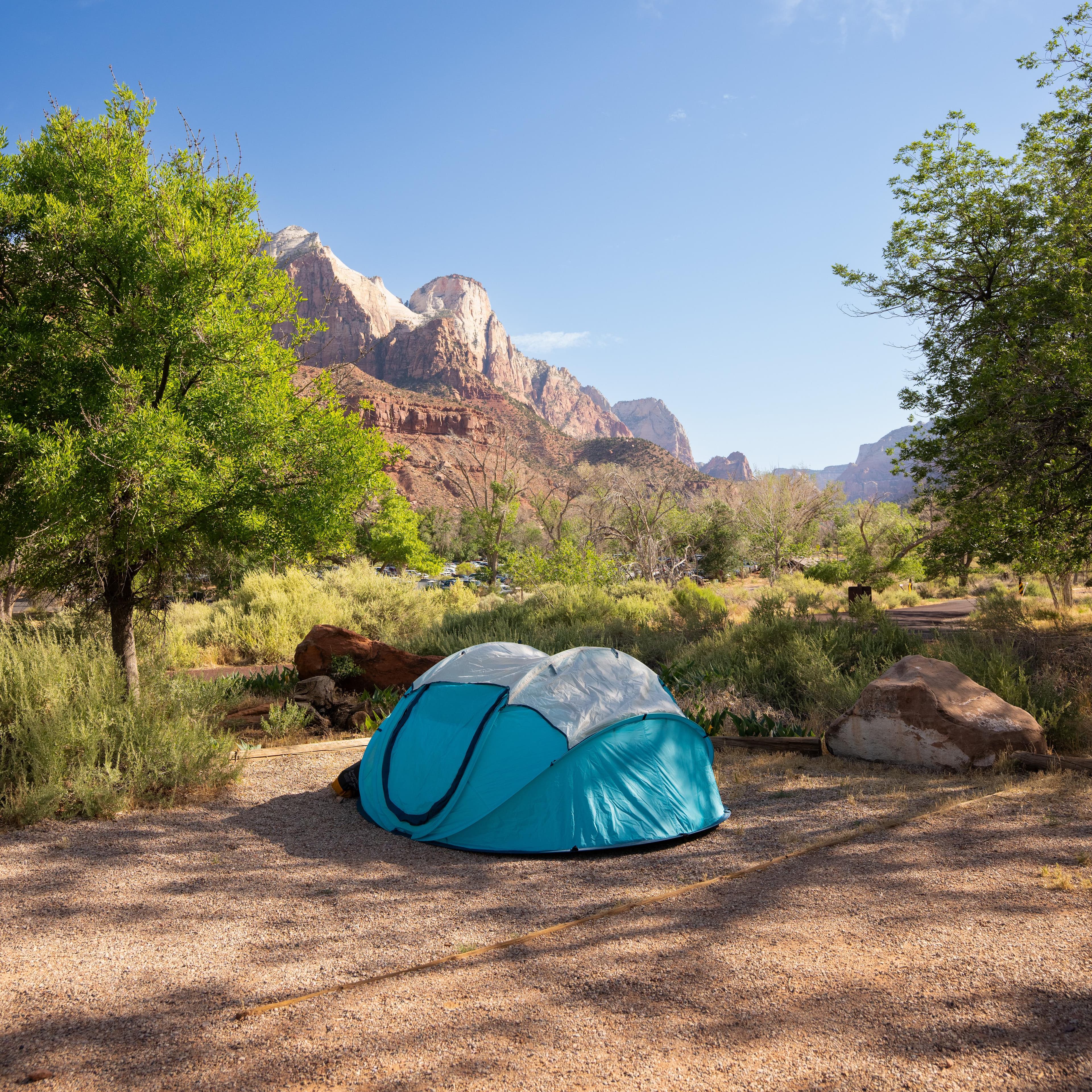
Zion's shuttle from camp reaches Angels Landing, the Narrows, Observation Point, and the West Rim — four of the most iconic hikes in the national park system, all within 10 shuttle stops.
2. The Needles Campground
The Chesler Park Loop, Druid Arch, and Joint Trail all leave from within a few miles of camp — the best concentration of slickrock loop hikes in Canyonlands.
3. Devils Garden Campground
The Primitive Loop past Landscape, Double O, and Dark Angel arches leaves directly from camp — the longest trail inside Arches and the one that empties of crowds after the first mile.
4. Fruita Campground
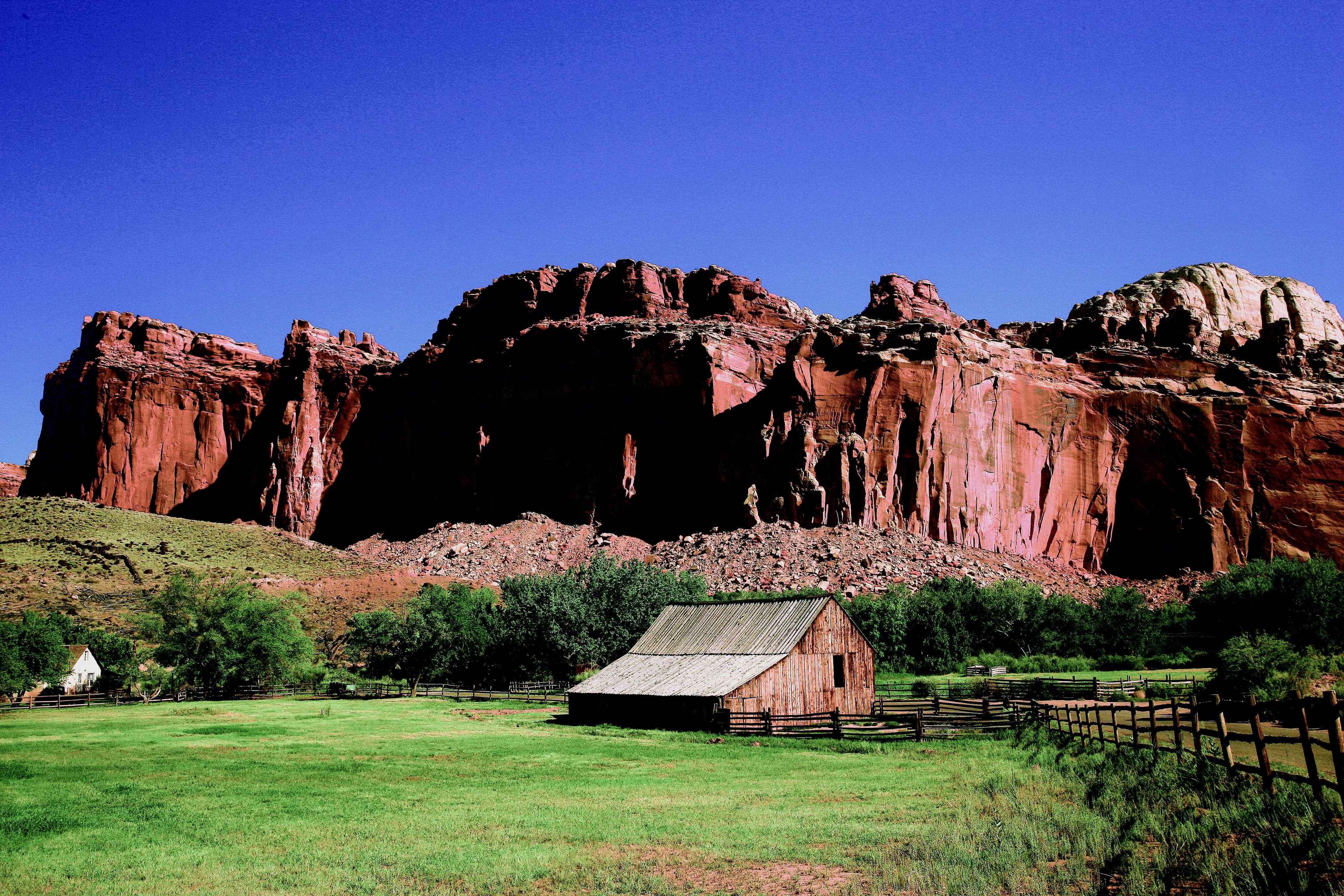
Hickman Bridge, Cassidy Arch, and the Navajo Knobs trail all start within 3 miles of camp on Capitol Reef's Scenic Drive — a compact network of Waterpocket Fold classics.
Best for Climbing
Utah is the most important desert climbing state in the country. Indian Creek's splitter cracks, Zion's big walls, and the Fisher Towers near Moab together define American crack climbing, and Joe's Valley and the Wasatch add world-class bouldering and sport to the mix. These campgrounds put you closest to the approach.
1. The Needles Campground
The closest developed campground to Indian Creek — a 45-minute drive to the Supercrack Buttress, Battle of the Bulge, and the splitters that define modern American crack climbing.
2. Devils Garden Campground
Closest NPS camp to the Fisher Towers, Castle Valley, and the sandstone towers of the Moab corridor — Ancient Art and Castleton Tower are under an hour out.
3. Watchman Campground
Zion's Moonlight Buttress, Spaceshot, and Prodigal Son big-wall routes are staged from the Watchman — permits required, but the approaches start from the campground shuttle stops.
Best for Water Sports
Utah's water country clusters around three basins: Lake Powell's 1,900 miles of Glen Canyon shoreline, the Uinta Mountain lakes above 10,000 feet, and the alpine reservoirs of the La Sal and Wasatch ranges. These campgrounds put a boat launch, swim beach, or paddle dock within walking distance.
1. Lone Rock Beach
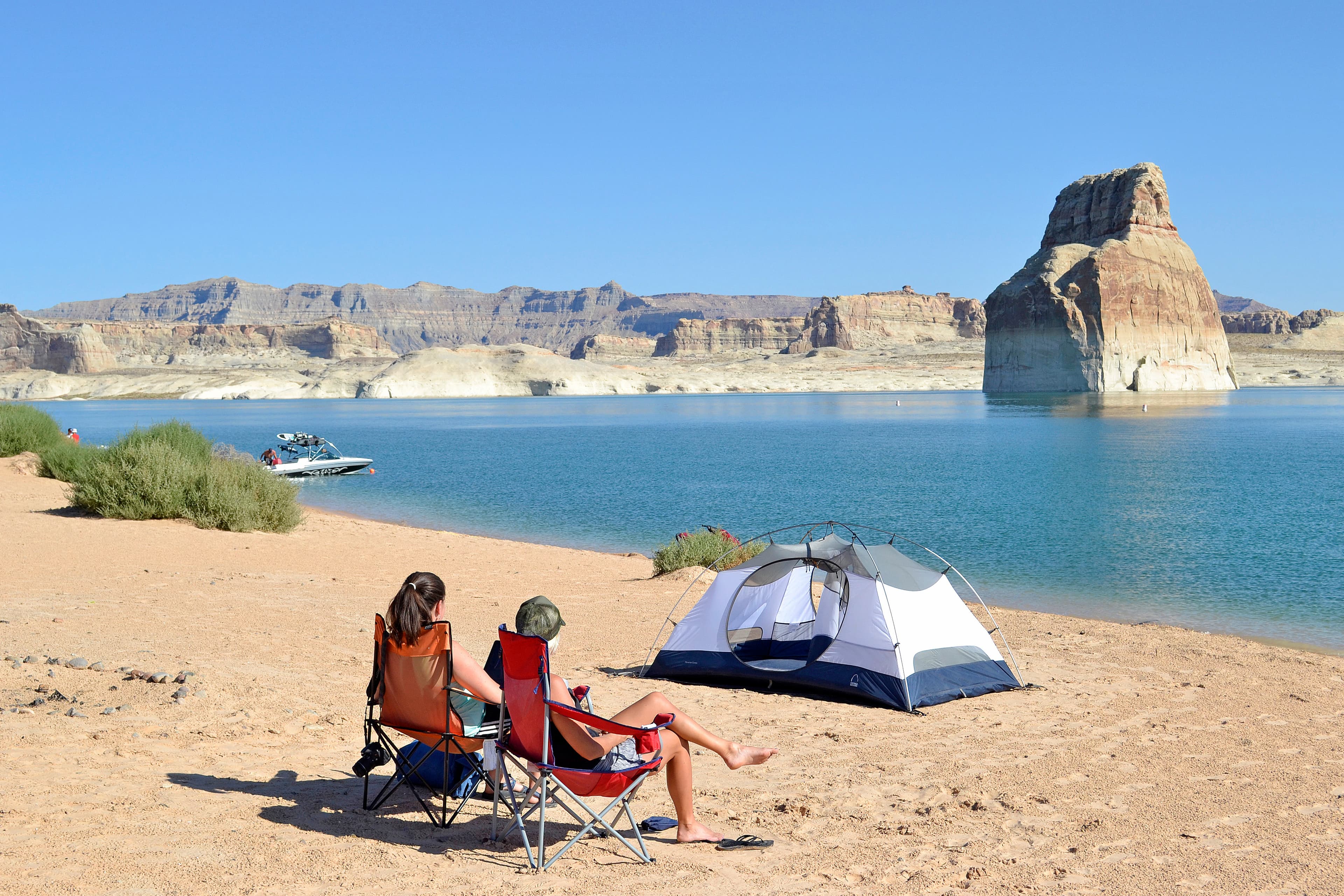
Park on the sand, launch a boat from camp — Lone Rock is one of the only drive-on-the-beach RV spots in the country, with Lake Powell's full 186-mile length to explore from the kayak or ski.
2. Mirror Lake Campground
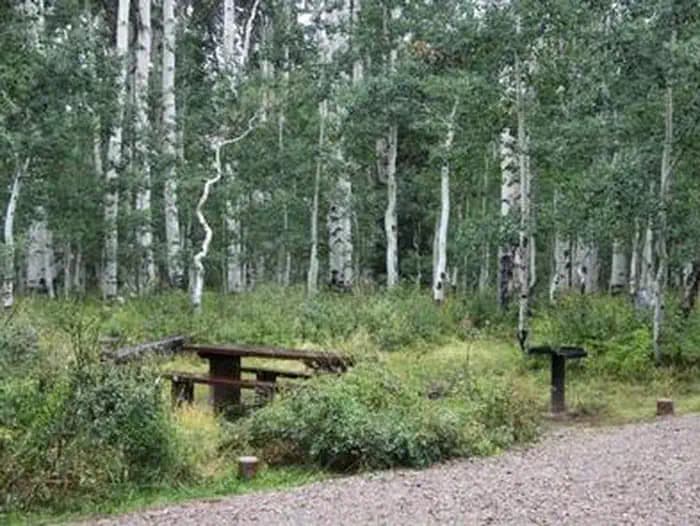
The lake itself is the attraction — stocked trout, kayakable the entire surface, and a glass-smooth mirror on calm Uinta mornings with Bald Mountain reflected whole.
3. Warner Lake Campground
A quiet brook-trout lake at 9,200 feet — hand-launchable kayaks and canoes, no motors, and a shoreline loop trail that circles the entire lake in 20 minutes.
Best for RV Camping
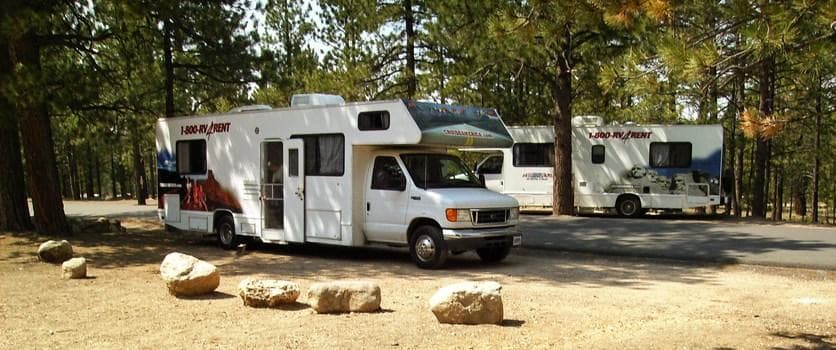
Utah's NPS campgrounds were built in the mid-20th century and most accept rigs to 30–40 feet, but only Watchman has electric hookups inside a national park. For full hookups, private parks around Moab, Springdale, and Kanab fill the gap. These are the strongest federal RV-friendly options.
1. Watchman Campground
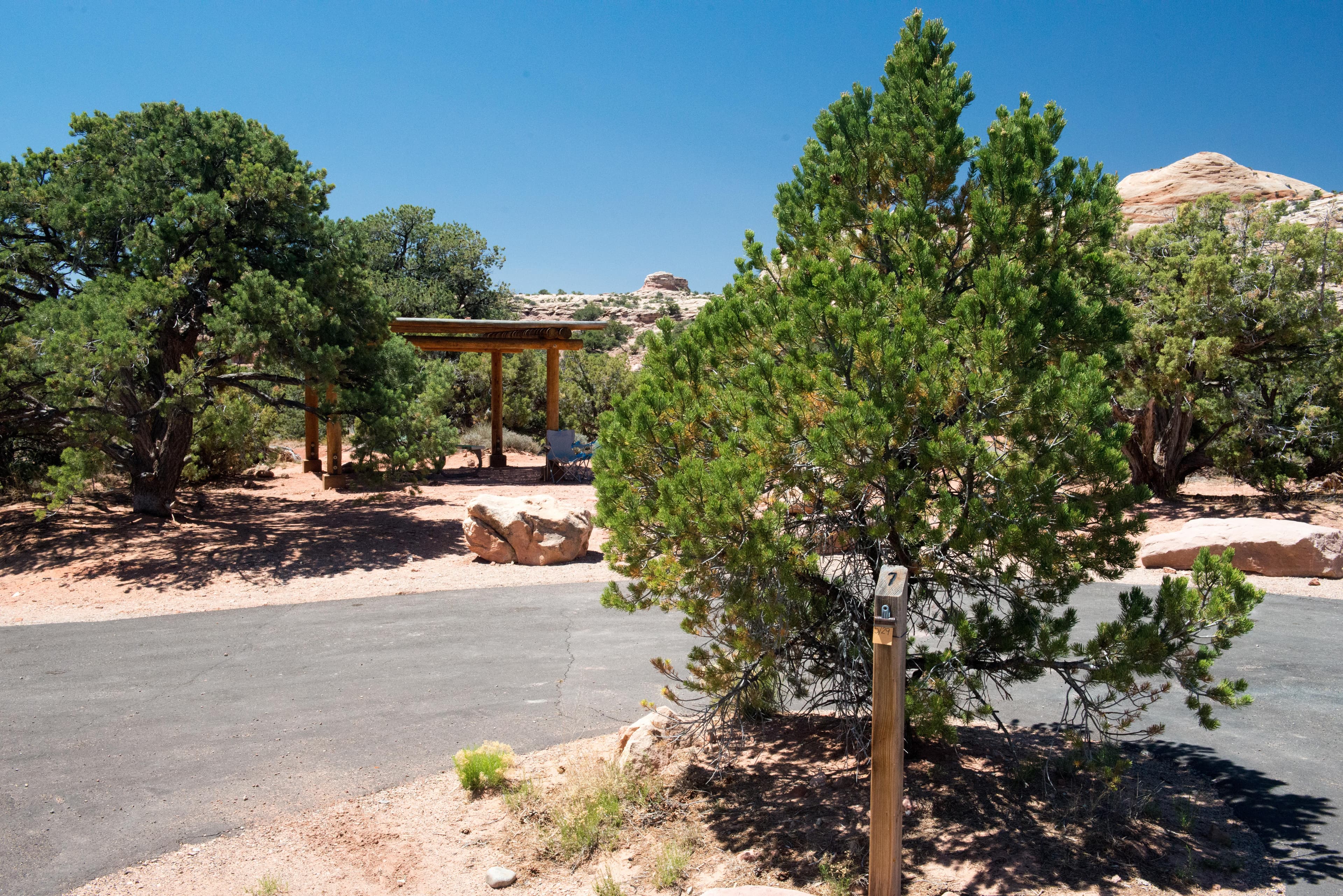
The only NPS campground in Utah with electric hookups (30 and 50 amp in loops A and B), plus a dump station and pull-through sites to 40 feet. The flagship RV option inside the Mighty Five.
2. Devils Garden Campground
Accommodates RVs up to 40 feet with a dump station at the visitor center. No hookups, but level pads and generator hours make it workable for self-contained rigs.
3. Sunset Campground
Bryce's loop A accepts RVs to 30 feet; no hookups, but the 8,000-foot elevation means AC is rarely necessary and the general store at Bryce Canyon Lodge has a dump station.
4. Fruita Campground
Pull-through sites accommodate rigs to 40 feet with a dump station on the exit road. The Fremont River provides unusual (for Utah) canyon-country shade on the RV loops.
Seasonal Guide
Spring
Mar–May
The best desert camping season. The Mighty Five run 65–80°F in the afternoons from mid-March through May, cottonwoods leaf out along the Virgin and Fremont rivers, and the Moab slickrock is cool enough to hike all day. The trade-off is the Uintas, Wasatch, and La Sals, which stay snowbound through May — Mirror Lake Scenic Byway typically gates until late June. Reservations open six months in advance and the spring shoulder weekends at Watchman, Devils Garden, and Fruita sell out the morning the window opens. Flash-flood risk rises from April onward; check forecasts before entering slot canyons.
Summer Peak
Jun–Aug
Peak season, but heavily stratified by elevation. Zion, Arches, and Canyonlands run 95–105°F with no real shade — hiking windows compress to pre-8 AM and post-6 PM. The Uintas, Wasatch, and La Sals stay in the 70s at campground elevation and are the state's relief valve. The North American monsoon arrives mid-July through mid-September with daily afternoon thunderstorms — lightning above 10,000 feet and flash floods in every slot south of I-70. Arches requires timed-entry reservations April through October, and Bryce's shuttle becomes mandatory for some trailheads in summer.
Fall
Sep–Oct
Many locals' favorite season. September pulls the heat out of the desert, the Uinta quaking aspens turn gold by mid-month, and the Mighty Five crowds drop sharply after Labor Day. Fruita's apple and pear harvest runs through September — pick your breakfast from the campground orchard. Bryce and the Uintas get their first significant snow by mid-October; Mirror Lake Scenic Byway typically closes by October 20. Watchman, Devils Garden, and Fruita stay reservable through October. Wildfire smoke is less of a factor in Utah than in the Northern Rockies but checks airnow.gov if fires are active.
Winter
Nov–Feb
Zion and the southwest desert parks remain open with dramatically reduced crowds; Watchman stays reservable year-round and the Narrows in fresh snow is one of the state's most surreal scenes (dry suit required for water). Bryce at 8,000 feet gets 100+ inches of snow annually; Sunset closes but the park plows the main road and groomed cross-country ski tracks replace summer trails. Arches and Canyonlands remain open with minimal services. The Uintas, Wasatch, and La Sals are closed to vehicle camping — the Mirror Lake Scenic Byway is a groomed snowmobile route through spring.
Weather & Coverage
Weather Overview
Utah's weather is governed by elevation. The state stretches from 2,000 feet at the Arizona border to 13,528 feet at Kings Peak, and temperature swings 40°F or more on a single two-hour drive. Desert summers in the Mighty Five regularly top 105°F with no humidity and no shade, while the Uintas stay in the 70s at the same moment. The North American monsoon brings daily afternoon thunderstorms from mid-July through early September — flash floods in slot canyons are the state's deadliest natural hazard, killing hikers almost every year. Snow closes the high country from late October through May.
Cell Coverage
Cell coverage in Utah follows the interstates. Verizon and AT&T both run strong along I-15 (the Wasatch Front), I-70 (Green River to Richfield), and US-191 (Moab corridor), but drop to nothing inside the Mighty Five. Zion's main canyon, Bryce's amphitheater, all of Canyonlands' backcountry, and most of Capitol Reef are dead zones for all three major carriers. T-Mobile is noticeably weaker outside the Wasatch Front. The Uintas have virtually no service. Download offline maps before leaving I-15 or I-70, and tell someone your plans before entering slot canyons.
Community Trip Reports
No trip reports yet for Utah sites. Be the first to share your experience!
Frequently Asked Questions
Nearby State Guides
Explore more camping near Utah