Overview
Wyoming offers some of the most spectacular camping in the American West. Home to Yellowstone and Grand Teton National Parks, the state draws millions of visitors, yet vast stretches of BLM land, national forests, and state parks mean solitude is always within reach. From the geothermal wonders of Yellowstone's interior to the jagged granite spires of the Tetons and the pristine alpine lakes of the Wind River Range, Wyoming's campgrounds sit at the doorstep of some of the continent's most dramatic landscapes. Whether you're pulling a fifth wheel into a full-hookup RV park, pitching a tent steps from a trailhead, or dispersed camping along a Forest Service road with nothing but elk and coyotes for company, Wyoming delivers an outdoor experience that's hard to match.
Last updated March 28, 2026
Top 10 Sites
Best for Hiking
Wyoming's trail networks range from easy boardwalk loops through geyser basins to multi-day backcountry traverses in the Wind River Range. The state's campgrounds put you at trailheads for some of the most iconic hikes in the American West.
1. Jenny Lake Campground
Cascade Canyon, Paintbrush Divide, and Lake Solitude trailheads are within walking distance — the single best trailhead campground in the Tetons.
2. Pebble Creek Campground
Gateway to Yellowstone's quietest trails in the Lamar Valley and northeast corner, with access to the Absaroka Range backcountry.
3. Worthen Meadow Campground
Base camp for the Wind River Range — trails lead to the Cirque of the Towers, one of the premier alpine destinations in the Lower 48.
4. Colter Bay Campground
The Hermitage Point trail starts right from camp, and the Lakeshore Trail offers easy shoreline hiking with Teton views.
Best for RV Camping
Wyoming's wide-open spaces and well-maintained federal and state campgrounds make it one of the best RV states in the West. Full-hookup options exist inside both national parks, and several state parks along key routes cater to larger rigs.
1. Colter Bay RV Park
Full hookups with Teton views. Pull-through sites accommodate rigs up to 45 feet, with a dump station and general store on site.
2. Signal Mountain Campground
Accommodates RVs up to 30 feet with stunning Jackson Lake views. The marina is walking distance for boat rentals and dining.
3. Grant Village Campground
While not full-hookup, Grant Village accommodates RVs up to 40 feet with dump station access and on-site laundry.
4. Bridge Bay Campground
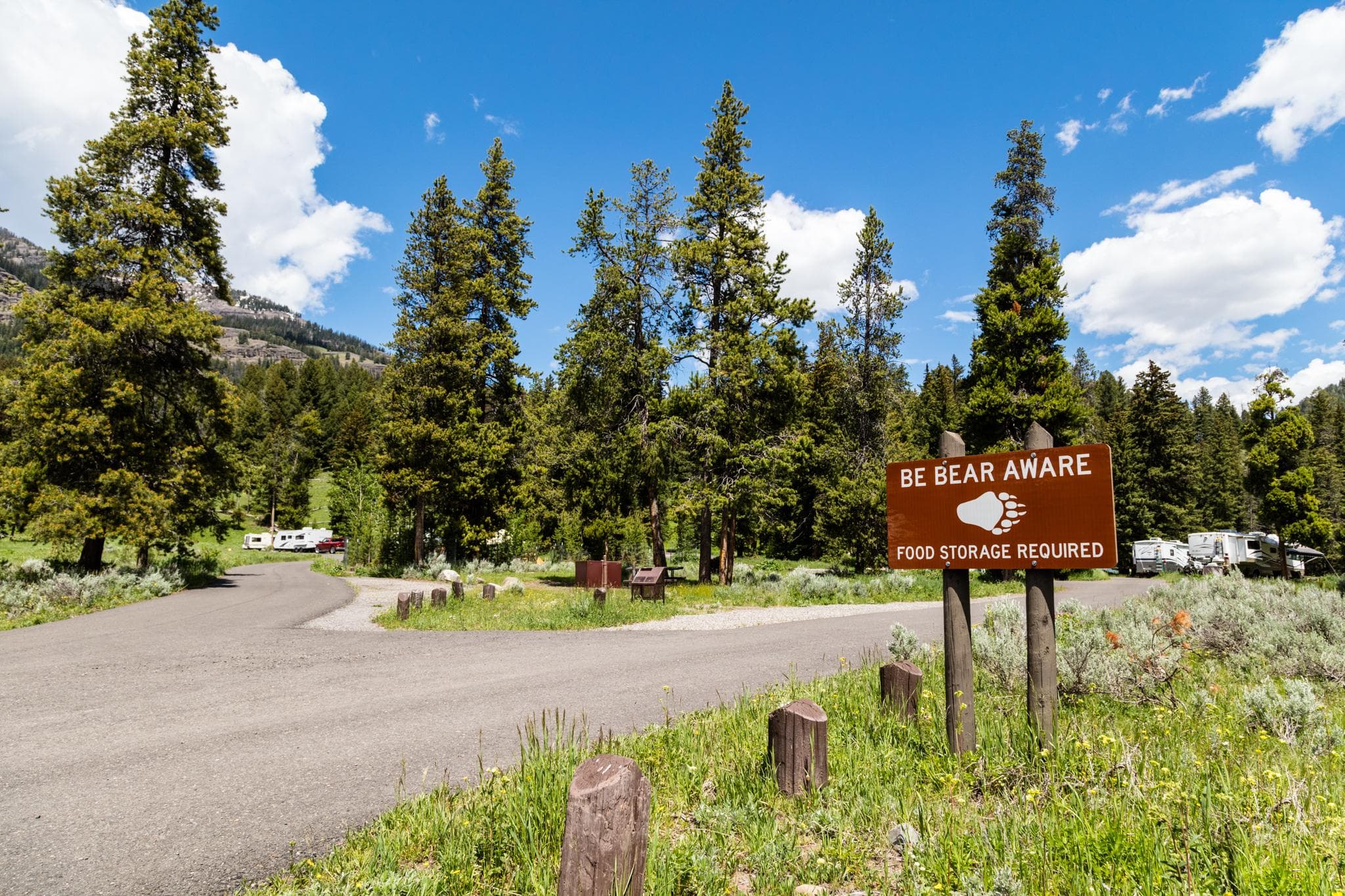
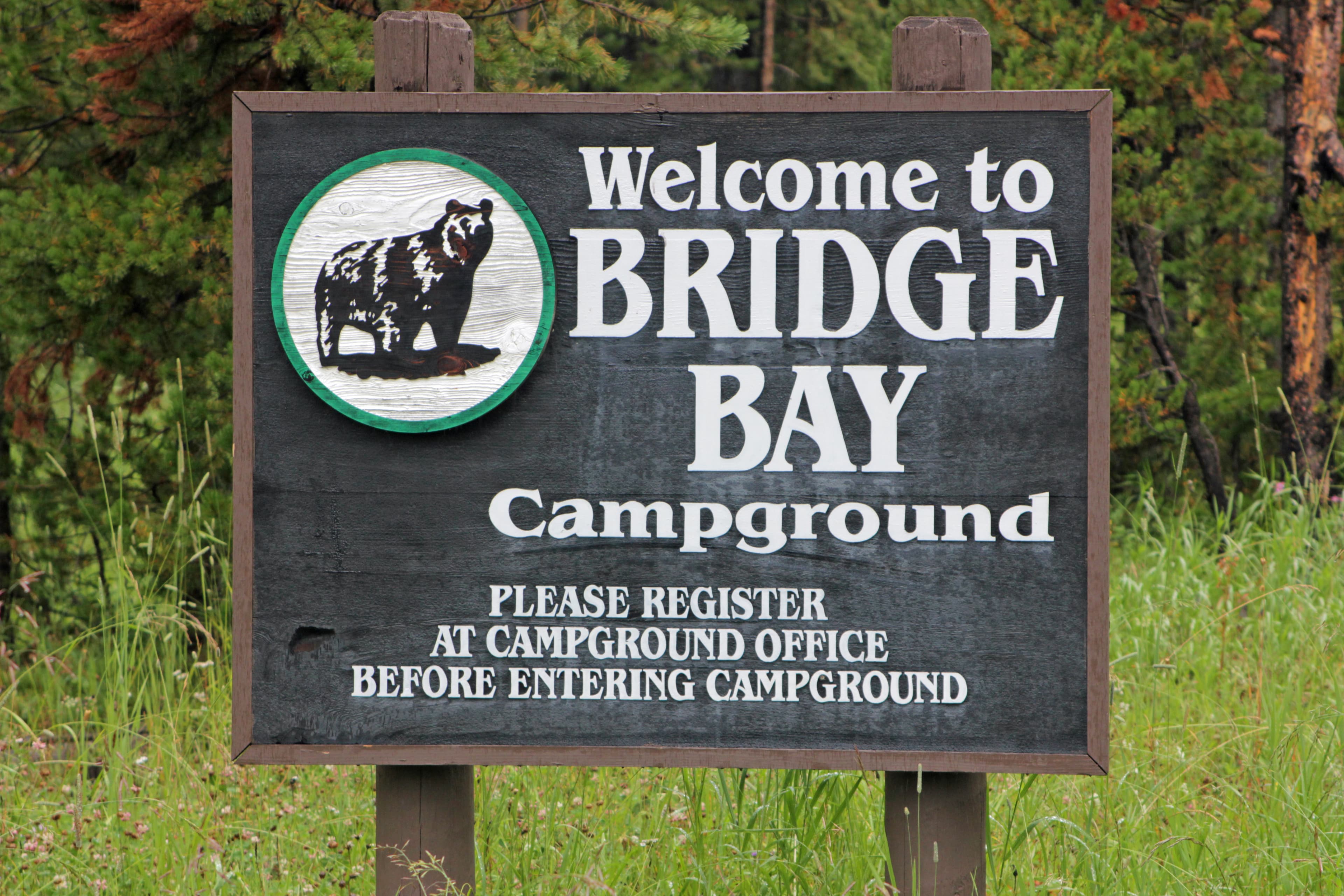
Yellowstone's largest campground accommodates RVs with a dump station. Central location makes it an ideal base for exploring both loops.
Best for Fishing
Wyoming is a fly-fishing paradise. From Yellowstone's legendary cutthroat streams to the Wind River Range's golden trout lakes, the state offers world-class fishing and over 4,000 lakes and reservoirs. These campgrounds put you steps from the best water.
1. Slough Creek Campground
Legendary cutthroat trout fishing in one of Yellowstone's most pristine streams. The meadow section upstream from camp is iconic fly water.
2. Madison Campground
The Madison River is one of the premier fly-fishing stretches in Yellowstone, accessible right from the campground loop.
3. Bridge Bay Campground
Yellowstone Lake's largest marina is steps away — rent a boat and fish for native cutthroat trout in one of the park's most productive areas.
4. Grant Village Campground
Yellowstone Lake's cutthroat trout are accessible from shore or by boat. The West Thumb area is a productive fishing zone.
Best for Wildlife Viewing
Wyoming's Greater Yellowstone Ecosystem is the largest intact temperate ecosystem in the Northern Hemisphere, home to grizzly bears, wolves, bison, elk, moose, and more. Camp in the right spot and wildlife comes to you.
1. Slough Creek Campground
In the heart of Lamar Valley — wolf packs, grizzlies, and bison herds are commonly spotted from the campground road.
2. Gros Ventre Campground
Moose frequent the riverside campsites regularly, and the Gros Ventre Road is one of the best drives in the Tetons for spotting wildlife.
3. Pebble Creek Campground
Minutes from the Lamar Valley, widely considered the best wildlife viewing corridor in North America.
Seasonal Guide
Spring
Apr–May
Shoulder season with limited access. Most campgrounds above 7,000 feet remain closed. Lower-elevation sites near Thermopolis, Cody, and along the Bighorn Basin open mid-April. Yellowstone's roads open in stages through May. Wildlife is highly active — bears emerging from hibernation, elk calving in late May. Expect snow at higher elevations and muddy trails.
Summer Peak
Jun–Aug
Peak season. All campgrounds open by mid-June. Reserve Yellowstone and Teton sites 6+ months ahead — popular spots like Jenny Lake fill by 7 AM on a first-come basis. Daytime highs reach 70–85°F but nights can drop to 40°F even in July. Afternoon thunderstorms are common June through August. Pack layers and rain gear. Expect crowds at major attractions.
Fall
Sep–Oct
The sweet spot. September is arguably the finest camping month in Wyoming — summer crowds dissipate, the elk rut fills evenings with bugling, fall colors peak in the cottonwoods and aspens, and fire restrictions ease. Most campgrounds close mid-October as frost becomes common. Nights drop to 20–30°F. Fewer services but far more solitude.
Winter
Nov–Mar
Nearly all campgrounds are closed. Yellowstone's Mammoth Campground is the only year-round NPS campground in the state. Temperatures regularly hit single digits or below zero. Winter camping is for the well-prepared only, but cross-country skiing and snowshoeing in Yellowstone or the Bighorns can be extraordinary. Access to most of Yellowstone is by snowcoach or snowmobile only.
Weather & Coverage
Weather Overview
Wyoming's high elevation (mean elevation 6,700 feet, second-highest in the US) means dramatic temperature swings year-round. Summer days reach 85°F but nights can drop to 40°F even in July at campground elevations. Afternoon thunderstorms are common June through August — they build fast and hit hard but typically pass within an hour. Wind is a constant factor, especially in open plains. Always pack layers regardless of season. A sleeping bag rated to at least 20°F handles the cold nights typical of Wyoming camping even in summer months.
Cell Coverage
Cell coverage is sparse outside of towns and major highways. Verizon has the best reach along I-25, I-80, and the Yellowstone corridor. Expect no service in Yellowstone's interior, the Wind River Range backcountry, and most BLM land. Grand Teton has spotty coverage near Jackson but drops out quickly in the park interior. Download offline maps and tell someone your itinerary before heading into backcountry areas.
Community Trip Reports
No trip reports yet for Wyoming sites. Be the first to share your experience!
Frequently Asked Questions
Nearby State Guides
Explore more camping near Wyoming