Roaming.Camp
Minnesota field guide hero

FIELD GUIDE · CHAPTER 23 · REGION IIIEST. 2026

Minnesota

The North Star State

MN · 46°17′ N · 94°18′ W · 202 SITES SURVEYED

FALL LAKE CAMPGROUND — SUPERIOR NATIONAL FOREST · PLATE A-231

§ 01 — Opening Plate

A letter from the field

Minnesota is a water state and a summer state. More than 10,000 lakes spread across its northern half, and camping here turns on three signature landscapes. First, the Boundary Waters Canoe Area Wilderness — a million-acre maze of lakes and portages in Superior National Forest, the largest wilderness east of the Rockies, a paddle-wilderness where canoe or kayak is the only way in. Second, the North Shore of Lake Superior, the largest freshwater lake on Earth — a 150-mile run of basalt cliffs, ribbon waterfalls, and state parks along Highway 61. Third, the Mississippi headwaters at Itasca State Park, where the great river begins as a knee-deep creek. Superior and Chippewa national forests plus boat-in Voyageurs National Park anchor the federal side; Minnesota's system of state parks and recreation areas — 75 in all, most with camping — is one of the country's deepest, booked through the DNR's 120-day window. The season is short and glorious: long summer days, warm inland lakes, legendary fall color on the North Shore, and hard winters and spring black flies that bracket it.

§ 02 — The Plates

Top 10 sites, filed

No. 01PLATE A-231 · LEAD

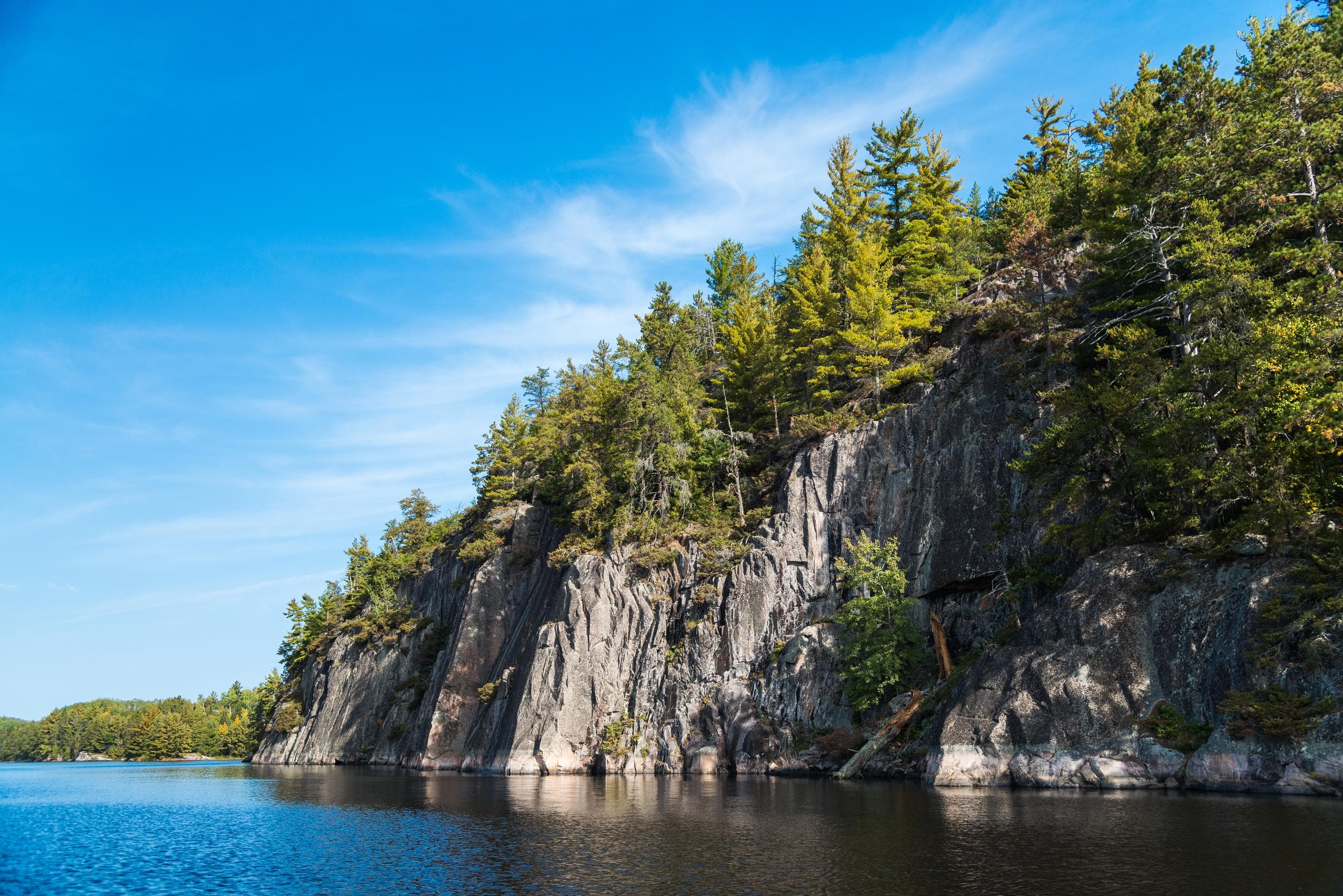
Fall Lake Campground — Superior National Forest

Fall Lake Campground — Superior National Forest
PLATE A-231 · RIDB FACILITY · MN

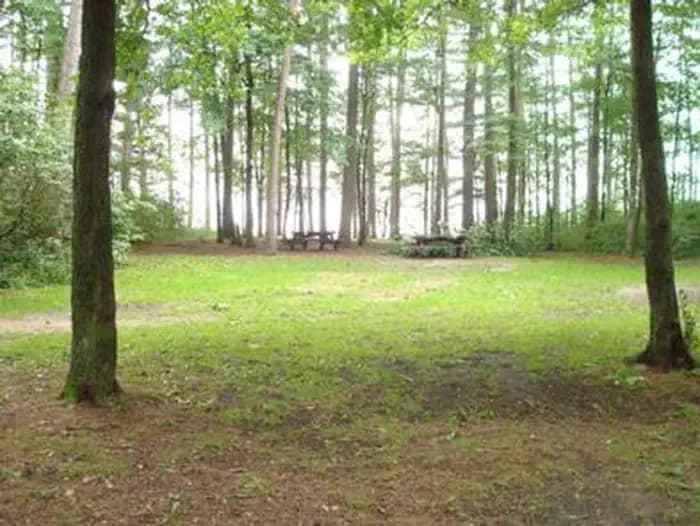
The classic drive-up gateway to the Boundary Waters near Ely, Fall Lake sits on the east arm of its namesake lake with about 62 sites, most with electric hookups, a swim beach, and a boat ramp. A portage-and-paddle route leads into the BWCAW interior, with Ely outfitters offering motorized tows to the entry points — the ideal staging point before the wilderness. Loons call across the water by dusk, and town outfitters are minutes away for canoe rental, resupply, and trip planning. Reserve on Recreation.gov.
RIDB · MNRead the plate →
No. 02PLATE A-232

Split Rock Lighthouse State Park — North Shore

Set on a dramatic Lake Superior bluff northeast of Two Harbors beneath the iconic 1910 cliff-top lighthouse, Split Rock offers some of the most coveted sites on the North Shore — cart-in spots where campers wheel gear to Superior's rocky cobble shoreline, plus designated backpack and kayak sites. The Gitchi-Gami State Trail and Superior Hiking Trail both pass through. Sunrise from the cobble beach, lighthouse silhouetted above, is the defining image of a North Shore trip. Book via the Minnesota DNR (120-day window).

No. 03PLATE A-233

Itasca State Park — Mississippi Headwaters

Minnesota's oldest state park, established in 1891 in the northwest, where the mighty Mississippi begins as a clear, knee-deep stream you can wade in a few steps. Old-growth red and white pine shade about 200 sites across the Pine Ridge and Bear Paw campgrounds, with the historic Douglas Lodge and CCC-era stone structures anchoring the park's center. Bike the Wilderness Drive, paddle Lake Itasca, or climb the Aiton Heights fire tower above the canopy. Loons, white-tailed deer, and the occasional black bear are regulars. Reserve through the Minnesota DNR.

Voyageurs National Park — Boat-In Camping
No. 04PLATE A-234

Voyageurs National Park — Boat-In Camping

A water-based national park on the Canadian border near International Falls with no drive-up campsites — every site is boat-in, canoe-in, or houseboat-access on Rainy, Kabetogama, Namakan, or Sand Point lakes. Permits and site reservations go through Recreation.gov; bring or rent a motorboat, since the lakes are large and distances real. Walleye and northern pike are abundant, wolves and moose work the islands, and the remote northern latitude delivers dark skies and frequent aurora. Quiet, deliberate, and genuinely remote.

§ 03 — Field Data

The working page

§ 03A

Best Time

WindowJun–Aug
Peak — SummerJun–Aug
SpringApr–May
SummerJun–Aug
FallSep–Oct
WinterNov–Mar

THE season, full stop. Long northern days, warm inland lakes for swimming and paddling, every campground and BWCA entry point open, outfitters running at capacity, and the North Shore alive with hikers. BWCA permit season is in full swing and lake-country fishing peaks. The trade-offs are real: highest demand means reserving North Shore state parks and BWCA entry permits well in advance, and the bugs — mosquitoes thick through June, early-season black flies dense in the Northwoods — make a head net and DEET mandatory. By August the worst of the bugs ease and the water is at its warmest. Afternoon thunderstorms build in the south. Minnesota's prime camping window.

§ 03B

Reservations

BookingRecreation.gov
Window opens6 months out
First-come sitesMixed · arrive early
Cancellation48 hr · per facility
Peak weekendsBook on release
§ 03C

Permits & Signal

BackcountryPermit required
DispersedUSFS · BLM · 14 days
Fire restrictionsSeasonal · check ranger
Signal · VerizonFair
Signal · AT&TGood
Signal · T-MobilePoor

Yes. Any overnight trip into the Boundary Waters Canoe Area Wilderness requires a quota permit, reserved through Recreation.gov. Each entry point carries a daily quota, and popular ones near Ely and along the Gunflint Trail sell…

§ 03D

Camping Etiquette

Quiet hours10 PM – 6 AM
PetsLeashed · 6 ft
Pack-outAll waste
Food storageBear box / hang
Stay limit14 days · 30 day window

§ 04 — Almanac

Four seasons, four readings

Spring

Apr–May

A slow, muddy awakening. Ice-out runs mid-April to early May on most inland lakes — later on the northern boundary country and the Lake Superior shore — and BWCA travel waits on that ice. Parks shake off lingering snow, and waterfalls at Gooseberry, Tettegouche, and Temperance roar at their loudest on snowmelt. Migrating birds pour through. Black flies arrive in force by mid-to-late May and mosquitoes are building. Nights stay below freezing well into May in the north. The payoff is real solitude and a quieter version of the North Shore and the Boundary Waters gateway — once the ice is off and before the crowds peak.

Summer

Jun–Aug

THE season, full stop. Long northern days, warm inland lakes for swimming and paddling, every campground and BWCA entry point open, outfitters running at capacity, and the North Shore alive with hikers. BWCA permit season is in full swing and lake-country fishing peaks. The trade-offs are real: highest demand means reserving North Shore state parks and BWCA entry permits well in advance, and the bugs — mosquitoes thick through June, early-season black flies dense in the Northwoods — make a head net and DEET mandatory. By August the worst of the bugs ease and the water is at its warmest. Afternoon thunderstorms build in the south. Minnesota's prime camping window.

Fall

Sep–Oct

The connoisseur's season. North Shore maples and birches ignite, peaking mid-September inland and sliding into early October along Lake Superior's cooling edge. Highway 61 and the Superior Hiking Trail fill with leaf-peepers — book Gooseberry, Tettegouche, and Split Rock far ahead for color weekends. The reward: crisp, bug-free air, crowds thinning sharply after Labor Day, hawks streaming south down the shore on fall migration, and some of the most vivid color in the Upper Midwest. Nights turn cold fast; first frosts and early snow arrive by late October in the north. One of the best times to camp Minnesota — if you pack for cold.

Winter

Nov–Mar

A deep continental winter that shuts most drive-in campgrounds from late fall until spring. Subzero stretches are routine in the north; Lake Superior steams and ices its edges. But a devoted niche stays active: DNR camper cabins and yurts remain open and heated, ice-fishing houses dot the big lakes from Mille Lacs to Winnie, and hardy paddlers run winter Boundary Waters trips on sleds with hot tents and a full cold-weather kit. Clear frigid nights in the north bring aurora. Come only with proper skills and gear; the reward is a silent, empty Northwoods and a sky full of stars.

§ 05A — Activity File

Best for Paddling & Canoe Country

Minnesota is the paddling capital of the country. The Boundary Waters alone holds more than a thousand interconnected lakes and portages across a million-acre wilderness; a water-only national park threads the Canadian border; and beginner-friendly motor-limited lakes offer the canoe-country feel without a wilderness permit. Canoe culture is the defining outdoor identity of the north.

§ 05B — Activity File

Best for the North Shore & the Superior Hiking Trail

The North Shore stacks waterfalls, basalt cliffs, and Lake Superior overlooks along 150 miles of Highway 61, stitched together by the Superior Hiking Trail. These four state parks are the classic shore basecamps — each one a trailhead for day hikes or a thru-hike resupply stop, with the big lake glittering below the ridgeline.

§ 05C — Activity File

Best for Walleye & Lake-Country Fishing

Walleye is practically a state religion in Minnesota, and the lake country delivers it at scale — from legendary shallow mega-lakes where the fish run thick to wilderness trout water and wild river fishing. These camps put a boat ramp and a premier fishery steps from the tent.

§ 05D — Activity File

Best for Northwoods Wildlife & Birding

Minnesota's north holds the Lower 48's largest gray wolf population, a significant moose herd, black bears, bald eagles, and a loon on nearly every lake. Add aurora-dark skies on the Canadian border, fall hawk migration down the North Shore, and nesting eagles over the Chippewa lakes, and the Northwoods offers year-round wildlife watching at continental scale.

§ 07 — Q & A

Frequently asked

Summer (June through August) is the peak — long northern days, warm inland lakes for swimming and paddling, every campground and BWCA entry point open, and outfitters running at full capacity. Reserve North Shore state parks and BWCA entry permits well ahead; summer weekends fill fast. Bugs are worst through June and into early summer, easing noticeably by August. Spring opens with ice-out (mid-April to early May), roaring waterfalls at Gooseberry and Tettegouche, and real solitude — but also black-fly season and nights that stay cold into May. Fall is the connoisseur's pick: North Shore maples and birches peak from mid-September into early October, the air turns crisp and bug-free, and the Highway 61 corridor is spectacular — book color-weekend sites well ahead. Winter closes most drive-in campgrounds but opens DNR camper cabins, yurts, ice fishing, and dedicated winter Boundary Waters trips for those with the right gear and skills.

§ 08 — Adjacent Sheets

Nearby chapters

END OF CHAPTER · MINNESOTA · § REGION III

CHAPTER 23 · FILED JUN 2026 · ROAMING.CAMP FIELD GUIDE · EDITION 2026