Nearby Campgrounds

§ 02 — OVERVIEW
The Selawik Wilderness now contains a total of 240,000 acres and is managed by the Fish & Wildlife Service's Selawik National Wildlife Refuge. All of the Wilderness is in the state of Alaska.
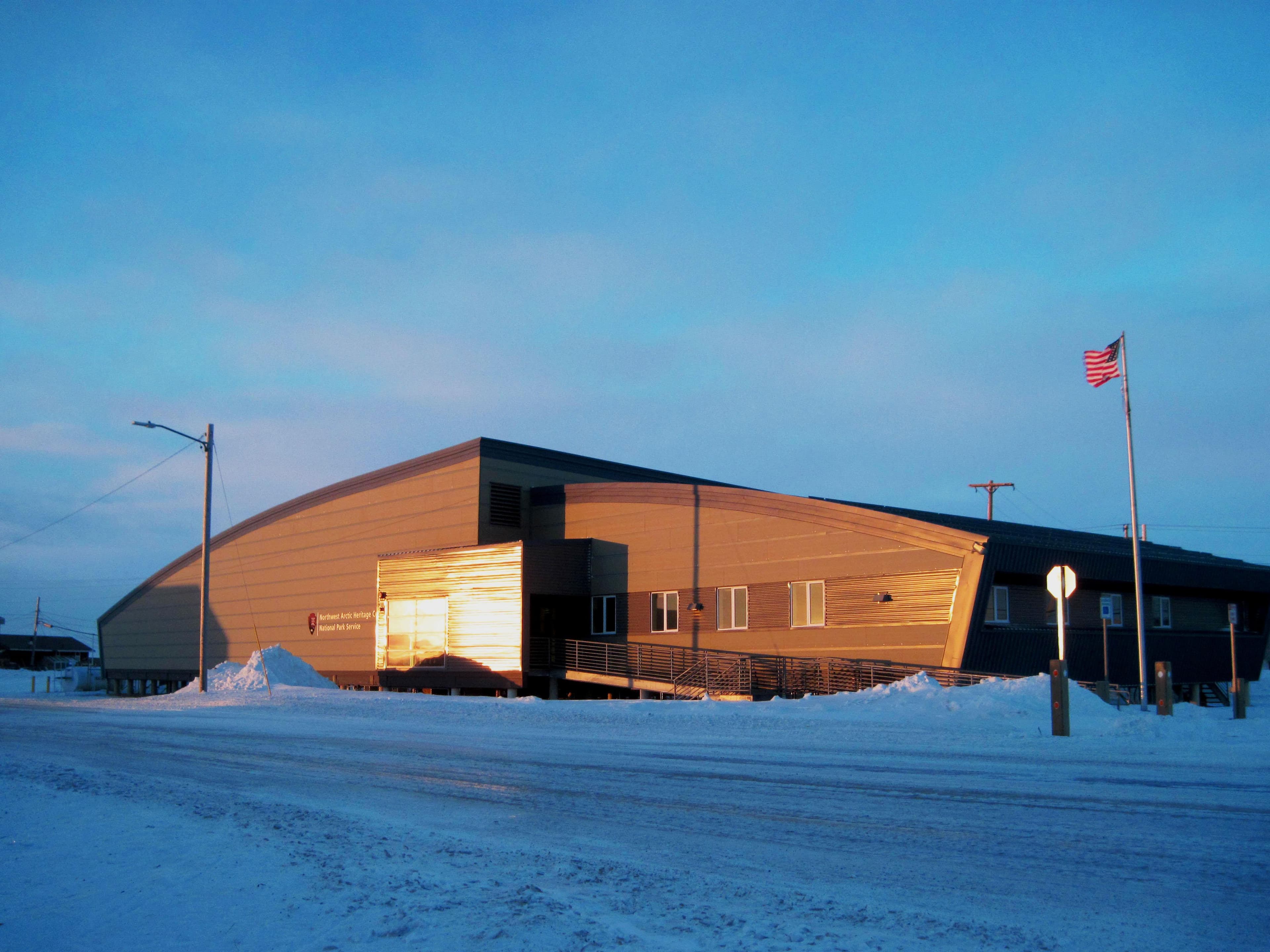
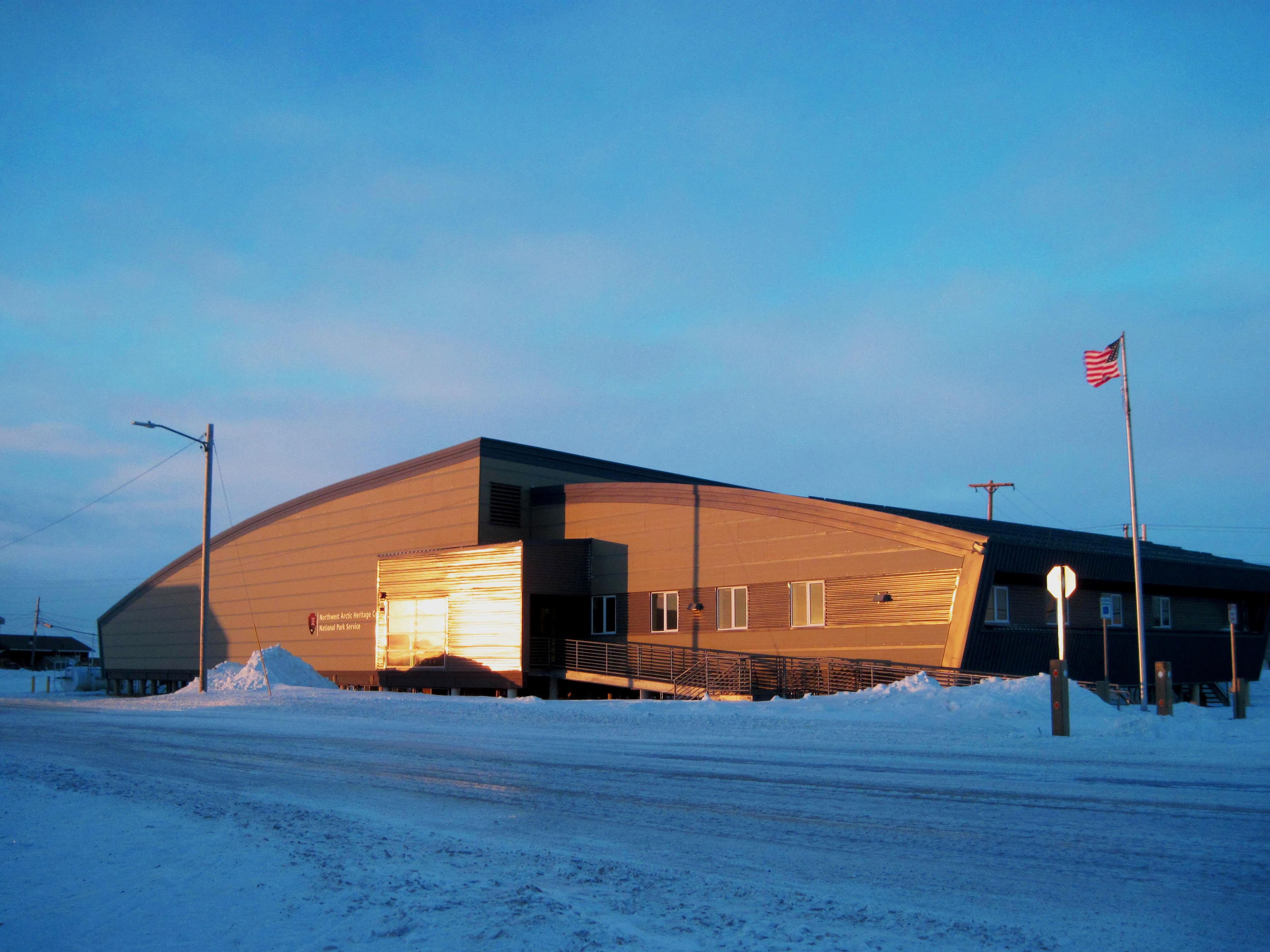
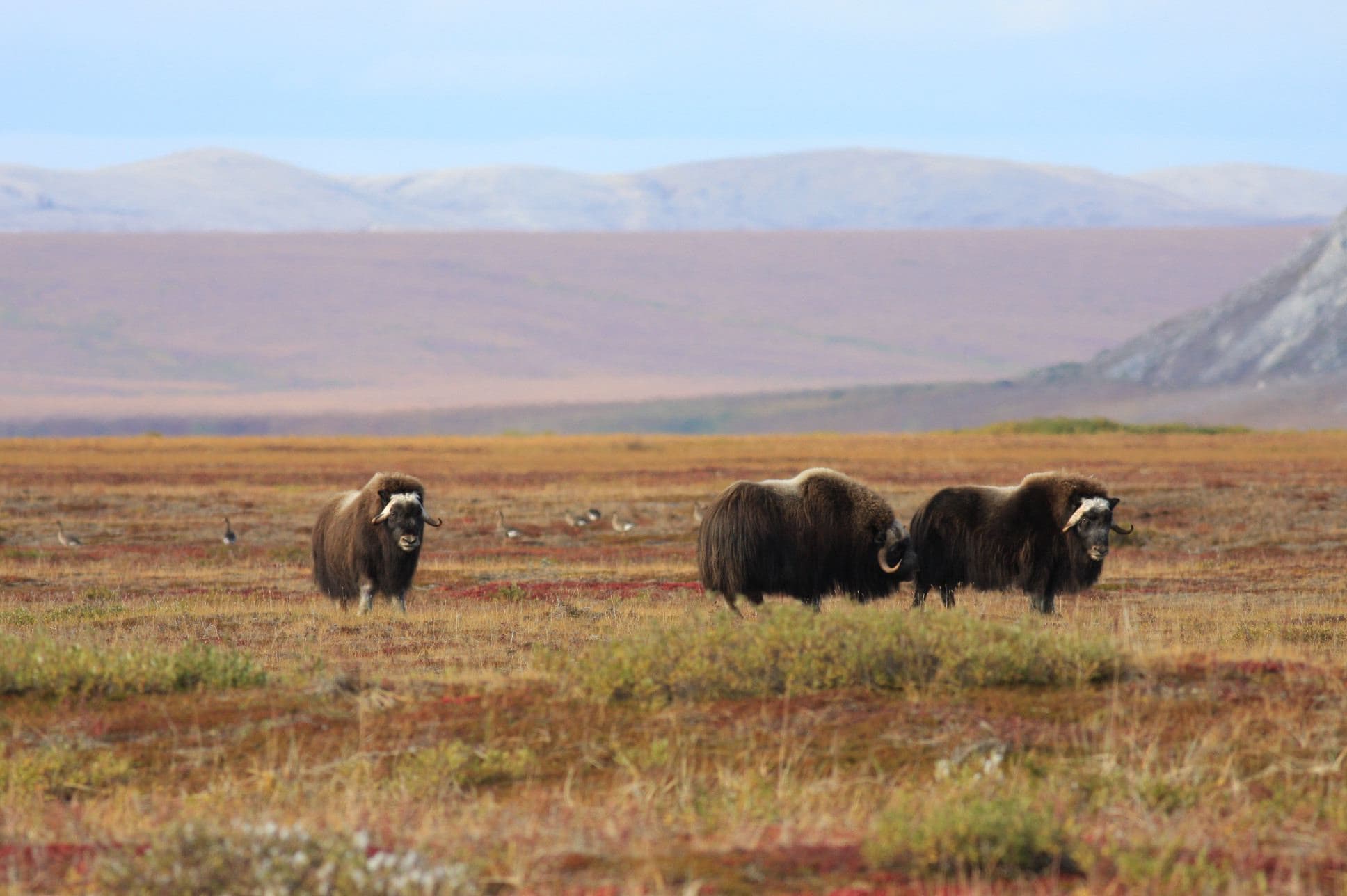
In 1980 the Selawik Wilderness became part of the now over 110 million acre National Wilderness Preservation System. The 2,150,000-acre Selawik National Wildlife Refuge begins at the east end of Kotzebue Bay where the Bering Land Bridge once connected North America to Asia. Here, on land that once felt the tread of the woolly mammoth, you'll find evidence of the migrations of people, wildlife, and plants that once crossed freely between the landmasses. An estimated 400,000 caribou winter here now, the Western Arctic herd feeding on the lichen-covered foothills. Moose, bears, and smaller furbearing animals are plentiful. Selawik's most prominent feature is an extensive system of tundra wetlands lying between the Waring Mountains and the Selawik Hills, nesting ground for hundreds of thousands of waterfowl, including birds from six continents. Asiatic whooper swans nest in Selawik and nowhere else in North America. Eskimo curlews, now considered extinct, once flew here and, perhaps, still hide in the great open distances. Yes, this is a bird-watcher's paradise. Straddling the Arctic Circle, the refuge holds thousands of lakes, ponds, rivers (including the Kobuk and Selawik Rivers), river deltas, streams, and estuaries. Rafters regularly float all 168 miles of the Wild and Scenic (but gentle) Selawik River, which runs from the Purcell Mountains in the far eastern portion of the refuge to broad, shallow Selawik Lake. Winds may be fierce on the lake. Fishermen can try for tons of fish (sheefish, char, grayling, pike, burbot) in the rivers. Although camping is generally unrestricted, approximately 2,000 native Alaskans reside on inholdings in the refuge, living primarily a subsistence lifestyle. Dry campsites are few and far between. A "small" strip of land in the northeastern section of the refuge has been designated Wilderness. You'll find no trails, no roads, no assistance if you need help, millions of mosquitoes in summer, and severe cold in winter.
§ 03 — CONDITIONS
National Weather Service · seven-day outlook · updated hourly
§ 04 — SIGNAL
FCC broadband data · actual signal varies in remote terrain
§ 05—08 — FROM THE FIELD
Community Intel from visitors, written reviews, dated trip reports, and reader-submitted photographs.
§ 06 — REVIEWS
§ 07 — TRIP REPORTS
§ 08 — COMMUNITY PHOTOS
§ CONTACT
Trip Reports
0 reports
Sign in to add your own photos.
No community photos yet — be the first to share one from your visit.
Today
65°F
Chance Rain Showers
10 mph SE
Tue
65°F
Areas Of Fog
5 mph E
Wed
65°F
Chance Rain Showers
5 to 15 mph E
Thu
62°F
Rain Showers
15 to 30 mph NW
Fri
57°F
Chance Rain Showers
30 mph NW
Sat
60°F
Mostly Sunny
15 to 20 mph SW
Sun
61°F
Chance Rain Showers
10 to 15 mph W
§ 01 — VITALS
No cell coverage detected at this coordinate.
Sign the ledger to file a review.